Corporate Analytics Overview for 39105626, 7275234777, 21199202, 570023040, 8452668044, 214204155

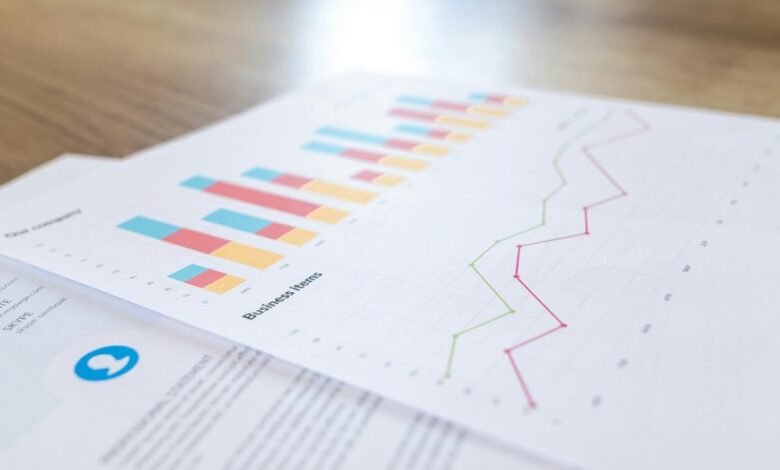
Corporate analytics encompasses the methodologies and tools that organizations utilize to transform raw data into actionable insights. By employing techniques like data visualization and predictive modeling, businesses can identify trends and make informed decisions. The use of unique identifiers enhances the ability to analyze disparate datasets. Understanding these dynamics is essential for companies aiming to harness data effectively. What specific strategies can organizations implement to fully utilize their data for optimal performance?
Understanding Corporate Analytics
Corporate analytics serves as a critical framework for organizations seeking to leverage data for informed decision-making.
By employing data visualization techniques, stakeholders can discern patterns and trends more effectively.
Furthermore, predictive modeling enhances forecasting capabilities, allowing organizations to anticipate future outcomes based on historical data.
This dual approach empowers entities to make strategic decisions, fostering an environment of freedom and innovation in a data-driven world.
Tools and Techniques for Data Analysis
Utilizing a variety of tools and techniques, organizations can enhance their data analysis capabilities significantly.
Key methods include data visualization for clarity, statistical methods for accuracy, predictive modeling for forecasting, and data mining for uncovering patterns.
Additionally, machine learning algorithms provide advanced analytical power, while data storytelling effectively communicates insights, allowing stakeholders to make informed decisions with greater freedom and confidence.
Leveraging Unique Identifiers for Insights
Although organizations often collect vast amounts of data, the effective use of unique identifiers can transform seemingly disparate information into actionable insights.
Identifier analysis facilitates the integration of diverse datasets, enabling deeper understanding and insight generation. By harnessing these identifiers, organizations can uncover patterns, trends, and correlations, ultimately leading to informed decision-making and enhanced strategic initiatives that promote autonomy and adaptability within the corporate environment.
The Impact of Data-Driven Strategies on Business Performance
As organizations increasingly prioritize data-driven strategies, the correlation between these approaches and improved business performance becomes evident.
By utilizing performance metrics, companies can achieve strategic alignment, enabling them to make informed decisions. This alignment not only enhances operational efficiency but also fosters innovation, ultimately leading to sustained growth.
Consequently, businesses that embrace data-driven methodologies often outperform their competitors in a dynamic marketplace.
Conclusion
In conclusion, corporate analytics transcends mere data collection, transforming information into actionable insights that drive strategic decisions. While some may argue that the complexity of analytics can be overwhelming, the integration of user-friendly tools and methodologies mitigates this concern, making data accessible and interpretable for all levels of an organization. By embracing data-driven strategies, businesses not only enhance their operational efficiency but also position themselves for sustained innovation and competitive advantage in an ever-evolving marketplace.